
Spiritual Practices: Pathways Into Stability
May
Many people misunderstand spiritual practices.
Some see them as religious obligations. Others see them as methods to control circumstances, force outcomes, or avoid difficulties.
But true spiritual practices serve a much deeper purpose.
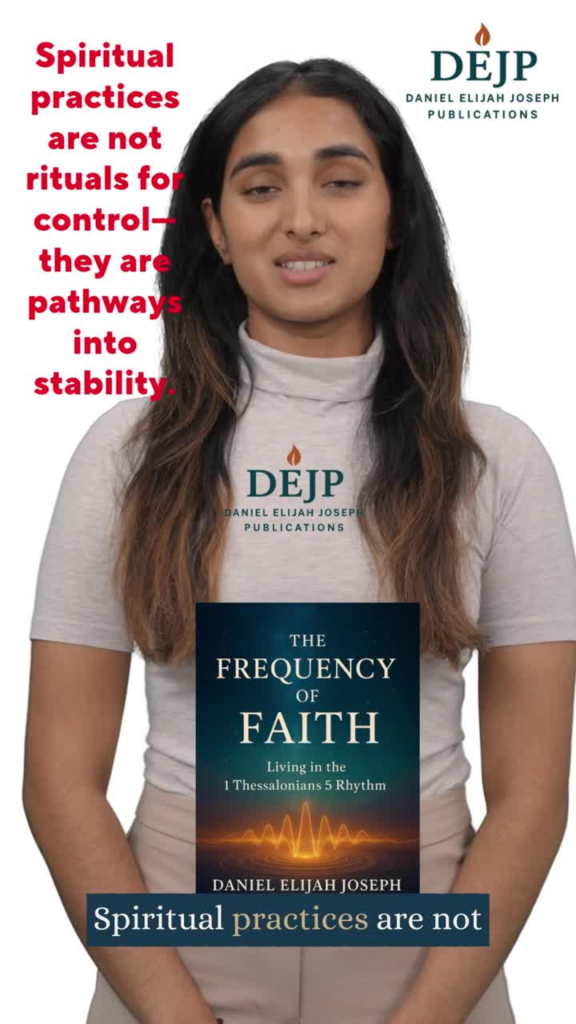
They are not rituals for control.
They are pathways into stability.
The Need for Stability
Life is unpredictable.
Challenges arrive without warning.
Plans change.
Relationships shift.
Unexpected difficulties emerge.
In a constantly changing world, people naturally seek something solid to stand upon.
This is where spiritual practices become valuable.
They help create inner stability even when external circumstances remain uncertain.
Prayer Creates Perspective
Prayer is often viewed as asking for things.
But prayer is also connection.
It creates a space where people step away from noise, distraction, and fear.
In prayer, perspective returns.
Problems may still exist, but they no longer appear larger than everything else.
Prayer helps people reconnect with hope, trust, and peace.
Gratitude Shifts the Atmosphere
Gratitude is one of the most powerful spiritual practices because it changes focus.
Instead of dwelling entirely on what is missing, gratitude reminds us of what remains.
It teaches us to notice:
- Progress
- Blessings
- Opportunities
- Growth
- Daily gifts often overlooked
Gratitude does not deny hardship.
It simply refuses to let hardship become the whole story.
Reflection Creates Awareness
Many people spend their lives reacting rather than reflecting.
Reflection allows people to slow down and examine:
- Their thoughts
- Their emotions
- Their habits
- Their direction
Awareness often becomes the first step toward meaningful change.
Faith Builds Resilience
Faith is not the absence of uncertainty.
It is the ability to move forward despite uncertainty.
Faith reminds people that difficult seasons are not permanent.
It strengthens perseverance when answers are not immediately visible.
Many of life’s greatest breakthroughs require faith before results appear.
Stability Is Different from Control
One of the most important lessons in spiritual growth is learning the difference between stability and control.
Control seeks to manipulate every outcome.
Stability allows people to remain centred regardless of the outcome.
Control creates anxiety.
Stability creates peace.
The goal of spiritual growth is not controlling life.
The goal is becoming grounded enough to navigate life with wisdom and grace.
Daily Practices Shape the Inner World
Small daily actions create profound long-term results.
A few minutes of prayer.
A moment of gratitude.
Time spent in reflection.
Speaking words of encouragement.
These simple practices gradually shape emotional resilience and spiritual maturity.
The Storm Will Come
Every person experiences storms.
No spiritual practice eliminates every challenge.
However, spiritual practices can strengthen the foundation beneath you.
The storm may still arrive.
But you become less likely to collapse under its weight.
The Power of Consistency
Transformation rarely comes through one dramatic moment.
It often emerges through small, consistent actions repeated over time.
The daily practice of peace.
The daily practice of gratitude.
The daily practice of faith.
These habits create a stable inner life capable of weathering uncertainty.
The Invitation
Perhaps spiritual practices were never intended to control the world around you.
Perhaps they were designed to strengthen the world within you.
To help you remain calm in chaos.
Hopeful in uncertainty.
Grounded in difficulty.
Because true spiritual maturity is not measured by how much control you have over life.
It is measured by how much peace you carry through it.
Ready to deepen your faith and cultivate lasting inner stability?
Discover more in The Frequency of Faith – Living in the 1 Thessalonians 5 Rhythm by Daniel Elijah Joseph — available now at the DEJ Publications Store at Danielelijahjoseph.com and Amazon.
Get your copy today.
Visit Danielelijahjoseph.com for more empowering insights on faith, gratitude, and spiritual transformation.
