
From Limitation to Expectation: The Language of Faith
Feb
Language reveals belief. What you consistently say about your life, your future, and your capabilities exposes your internal posture. When fear governs your thinking, your language reflects limitation. But when faith leads, something subtle yet powerful shifts.
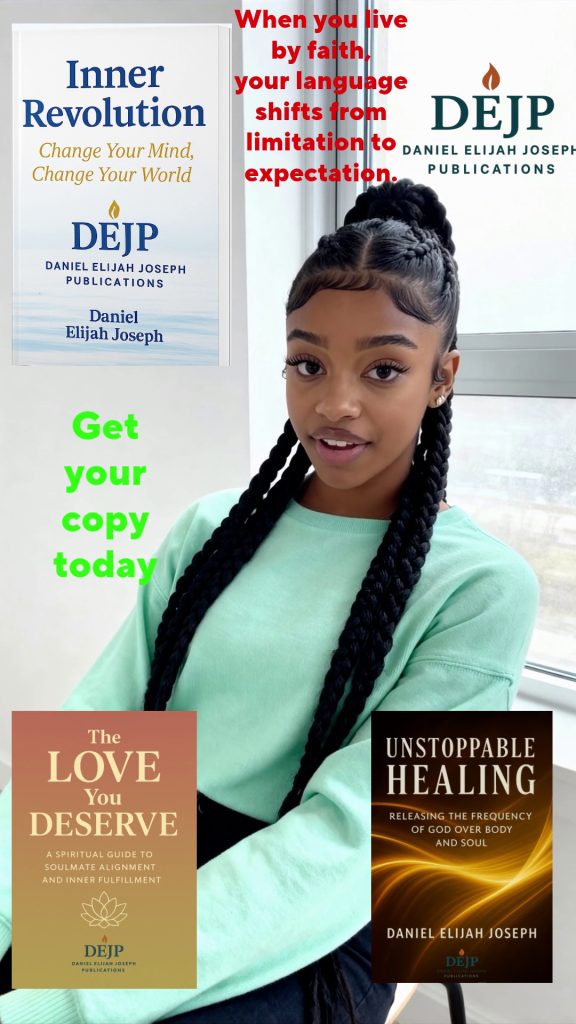
When you live by faith, your language moves from limitation to expectation.
The Language of Limitation
Limitation speaks in absolutes:
“I can’t.”
“It never works for me.”
“Nothing changes.”
“This is just how things are.”
These phrases may feel realistic, but they reinforce mental boundaries. Over time, repeated language shapes internal identity. You begin to believe what you consistently declare.
Limitation narrows possibility before you even attempt growth.
Faith Alters the Narrative
Faith does not ignore challenges. It reframes them. Instead of speaking from what appears fixed, faith speaks from possibility.
Faith says:
“It’s possible.”
“I’m growing.”
“There’s more ahead.”
“This is temporary.”
Notice the difference. Limitation finalizes. Faith anticipates.
Expectation changes emotional tone. It shifts posture. It energizes movement.
Words Shape Internal Atmosphere
Your words influence your inner environment. When you speak limitation, your mind searches for evidence to confirm it. When you speak expectation, your mind begins scanning for opportunity.
This is not mere positivity — it is alignment.
Expectation creates readiness.
If you expect growth, you prepare differently.
If you expect provision, you position yourself differently.
If you expect breakthrough, you remain steady during delay.
Language trains the mind.
Faith Is Not Fantasy
Living by faith does not mean denying reality. It means interpreting reality through trust rather than defeat. It means refusing to let temporary conditions define permanent identity.
Faith-led language acknowledges difficulty but refuses to surrender hope.
Instead of saying, “This will never change,” faith says, “I am walking through this.”
The difference is subtle but transformative.
Expectation Produces Movement
Expectation carries energy. When you expect good outcomes, you approach life with openness. You take initiative. You pursue opportunity. You stay engaged.
Limitation, by contrast, produces passivity.
If you believe nothing will improve, why try? If you assume failure, why risk?
Faith invites participation.
Renewing Your Language
Shifting from limitation to expectation requires awareness. Begin by noticing habitual phrases. Replace them intentionally.
Instead of:
“I’m stuck.”
Say: “I’m learning.”
Instead of:
“I’ll never get there.”
Say: “I’m on the way.”
These small changes accumulate. Over time, they reshape identity.
The Inner Revolution of Speech
The inner revolution begins internally but reveals itself externally — especially in language. When your words reflect faith, your mind aligns with growth.
Your speech becomes a reflection of trust, not fear.
And that trust changes how you move through uncertainty.
Live in Expectation
You cannot always control circumstances. But you can control your interpretation. When you live by faith, expectation replaces defeat.
And expectation creates momentum.
Your language will reveal which belief you have chosen.
Choose the one that moves you forward.
📘 Ready to renew your thinking and shift your language from limitation to expectation?
Begin the journey in
Inner Revolution – Change your Mind, Change your World by Daniel Elijah Joseph — available now on Amazon.
Get your copy today.
✨ For deeper reflections and teachings, visit:
www.Danielelijahjoseph.com
Speak expectation.
Walk in faith.
