
Praying for Peace: Remembering Humanity in Times of Conflict
May
In times of conflict, it becomes easy for the world to divide into sides.
Politics, history, religion, and ideology often dominate conversations. People argue over positions, narratives, and blame. Yet beneath all these debates remains a deeper reality that should never be forgotten:
Human lives are involved.
Families.
Children.
Parents.
Communities carrying grief, fear, and loss.
This is why poetry and reflection matter during difficult times—they remind us of our shared humanity.
Beyond Division
Conflict has a way of reducing people to labels.
But suffering does not belong to one group alone. Pain is human. Loss is human. Fear is human.
When compassion disappears, division deepens.
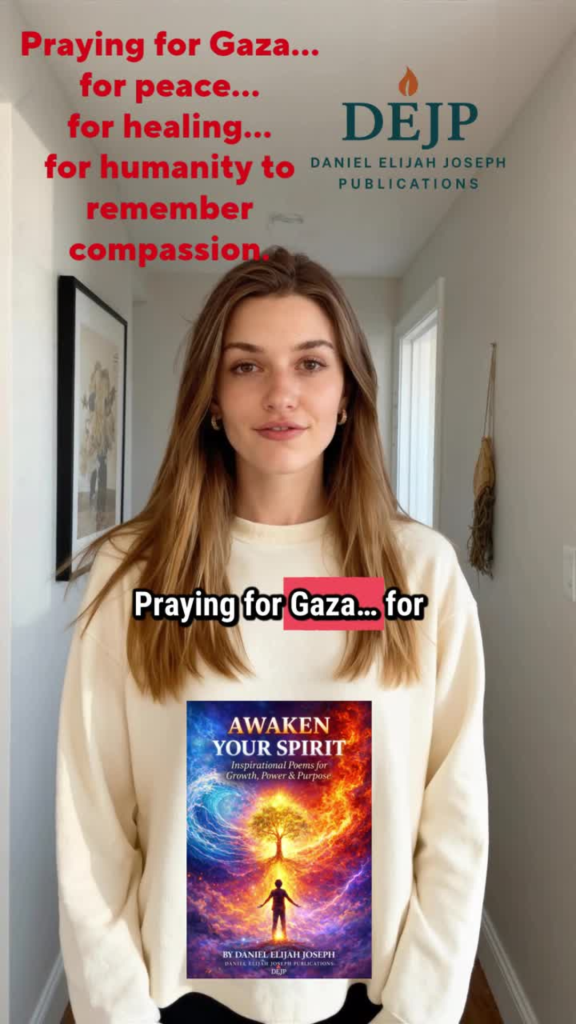
The poem “Praying 4 Gaza” speaks from a place beyond political alignment. It reflects a longing for peace, healing, and awareness—a reminder that compassion should never be selective.
Compassion as a Human Responsibility
Compassion is not weakness.
It is the ability to recognise another person’s humanity, even in moments of disagreement or conflict.
Without compassion, people become desensitised to suffering. Violence becomes easier to justify. Grief becomes background noise.
But compassion interrupts that process.
It reminds us that behind every headline are real lives.
The Role of Spiritual Teachings
Many spiritual traditions, including the teachings of Jesus, emphasise compassion, mercy, forgiveness, and love.
These teachings point toward healing rather than destruction.
Toward restoration rather than hatred.
The poem reflects this tension—the contrast between teachings rooted in compassion and the painful realities of violence and suffering.
The Emotional Cost of Conflict
Conflict affects more than physical environments.
It impacts emotional and psychological wellbeing for generations.
Fear, trauma, grief, and instability leave deep marks on communities and individuals alike.
Even those watching from afar can feel emotional heaviness, helplessness, or sorrow in response to ongoing suffering.
This is why conversations about peace matter.
Peace Begins With Awareness
Peace is not only the absence of violence.
It is also the presence of empathy, understanding, and recognition of shared humanity.
Awareness changes perspective.
It allows people to move beyond dehumanising language and remember that every life carries value.
The Importance of Prayer and Reflection
Prayer, reflection, and poetry can create space for compassion in times when anger and division dominate.
They encourage people to pause and reconnect with what truly matters:
Human dignity.
Mercy.
Healing.
Peace.
These moments of reflection do not solve every conflict, but they help preserve humanity within the conversation.
Choosing Humanity Over Hatred
The world often encourages people to choose sides before choosing compassion.
But humanity should never be secondary.
No matter where someone stands politically or ideologically, suffering should never become acceptable.
Empathy should not depend on agreement.
Hope in Difficult Times
Even in darkness, people continue to hope for peace.
Hope that healing can come.
Hope that violence can end.
Hope that compassion can rise above hatred.
Hope matters because it keeps humanity connected to possibility.
The Invitation
Perhaps one of the most important things we can do during times of conflict is refuse to lose compassion.
To remember the human beings behind the headlines.
To pray for peace.
To speak with empathy.
To hold onto the belief that healing and restoration are still worth pursuing.
Because in a divided world…
our shared humanity still matters.
Ready to explore poetry that inspires reflection, compassion, and awakening?
Discover more in
Life’s Inspirational Journey: Awakening the Spirit Through Poetry, Empowerment and Motivation by Daniel Elijah Joseph — available now on Amazon.
Get your copy today.
Visit Danielelijahjoseph.com for more inspiring and thought-provoking content.
