
What We Should Expect from Another Trump Administration: A Perspective on the Working Class
Jan
As the political landscape continues to shift, conversations about the potential return of Donald Trump to the Oval Office have dominated public discourse. Supporters of the former president champion his pro-America policies, while critics remain wary of his controversial rhetoric and leadership style. However, to understand what another Trump administration might bring, particularly in terms of policies aimed at the working class, we must reflect on his past governance and compare it with the outgoing administration.
Economic Policies: A Return to “America First”
During his presidency from 2017 to 2021, Donald Trump’s economic agenda was grounded in the “America First” philosophy. This approach prioritized job creation, tax cuts, and deregulation to stimulate economic growth. One of Trump’s hallmark achievements was the Tax Cuts and Jobs Act of 2017, which reduced the corporate tax rate and aimed to increase take-home pay for American workers. Proponents argue that these policies incentivized businesses to hire domestically, boosting employment and contributing to a strong pre-pandemic economy.
In contrast, the outgoing administration emphasized progressive tax policies, targeting the wealthiest individuals and corporations to fund social programs. While this approach expanded social safety nets, critics argue that it imposed additional burdens on businesses, potentially stifling job creation. A second Trump administration would likely seek to repeal or roll back such measures, framing it as a means to reignite business investment and job growth.
Jobs and Manufacturing: Promises of Reinvigoration
Trump’s first term focused heavily on reviving American manufacturing and reducing dependency on foreign imports. By renegotiating trade agreements such as NAFTA, replaced by the USMCA (United States-Mexico-Canada Agreement), his administration aimed to protect American industries and workers. Trump also levied tariffs on Chinese imports, which he argued would level the playing field for U.S. manufacturers.
Critics of these policies argued that tariffs led to higher consumer prices and trade tensions. However, Trump’s supporters contend that his tough stance on trade restored manufacturing jobs that had long been outsourced.
A second Trump administration would likely double down on protectionist trade policies and infrastructure spending to bolster domestic industry. For the working class, this could mean more blue-collar job opportunities, particularly in manufacturing and construction. However, the impact on inflation and consumer costs would remain a crucial factor to monitor.
Energy Independence and Its Impact on Workers
Energy policy remains a cornerstone of Trump’s platform. His first administration championed energy independence, prioritizing domestic oil, gas, and coal production. This approach led to a surge in energy-sector jobs and lower fuel prices, benefiting households and small businesses alike.
In contrast, the outgoing administration’s focus on renewable energy and climate initiatives sought to transition away from fossil fuels. While this shift aimed to combat climate change, critics argue that it threatened jobs in traditional energy sectors.
A renewed Trump administration would likely reinstate policies that expand oil drilling and pipeline projects, arguing that energy independence strengthens national security and keeps fuel prices low. For working-class families reliant on affordable energy, this approach may offer immediate economic relief. However, it could also reignite debates about environmental consequences.
Healthcare: Affordability vs. Accessibility
Healthcare remains a pivotal issue for the working class. During his first term, Trump attempted to repeal the Affordable Care Act (ACA), criticizing it as an overly expensive and restrictive system. However, his administration struggled to implement a comprehensive replacement that preserved protections for pre-existing conditions while lowering costs.
The outgoing administration sought to expand healthcare access by increasing subsidies and promoting Medicaid expansion. Supporters of this approach argue that it made healthcare more accessible to low-income households, while critics point to rising insurance premiums and government spending.
In a second term, Trump would likely push for increased competition among insurers and reduced regulations to drive down costs. While this could lower premiums for some, concerns about coverage gaps and affordability for the most vulnerable workers would remain contentious.
Immigration Policies and Their Economic Implications
Trump’s hard line immigration policies, including the construction of a border wall and stricter enforcement measures, were framed as necessary to protect American jobs and wages. His administration argued that reducing illegal immigration would prevent labor market oversaturation and ensure fair wages for American workers.
The outgoing administration adopted a more humanitarian approach, focusing on pathways to citizenship and border processing improvements. Critics of Trump’s immigration stance argue that it fostered division and harmed industries reliant on immigrant labor.
A second Trump administration would likely resume strict immigration controls, with an emphasis on border security and deportations. For the working class, this could translate to reduced job competition in certain sectors but may also contribute to labor shortages in industries such as agriculture and construction.
Infrastructure and Public Investment
Infrastructure investment was a key component of Trump’s campaign promises. Although significant progress was made during his first term, critics argue that his administration fell short of the ambitious $1 trillion infrastructure plan initially proposed.
The outgoing administration prioritized infrastructure spending, passing bipartisan legislation to fund repairs to roads, bridges, and public transit. A renewed Trump administration would likely seek to increase public-private partnerships to fund infrastructure projects, arguing that this approach maximizes efficiency and job creation without increasing the national deficit.
For the working class, increased infrastructure spending represents the potential for stable, high-paying jobs in construction and engineering. However, the long-term economic impact depends on the scale and funding mechanisms of such projects.
Social and Cultural Dynamics
Beyond economic policy, Trump’s leadership style and cultural rhetoric have resonated with many working-class voters who feel overlooked by traditional political elites. His direct, often combative communication style has cultivated a sense of empowerment among his base, who view him as a champion for “forgotten Americans.”
However, critics argue that Trump’s rhetoric has deepened political and social divides, fostering unrest and alienation. A second Trump term would likely continue to polarize public opinion, raising questions about national unity and the social fabric.
Conclusion: A Path Forward for the Working Class?
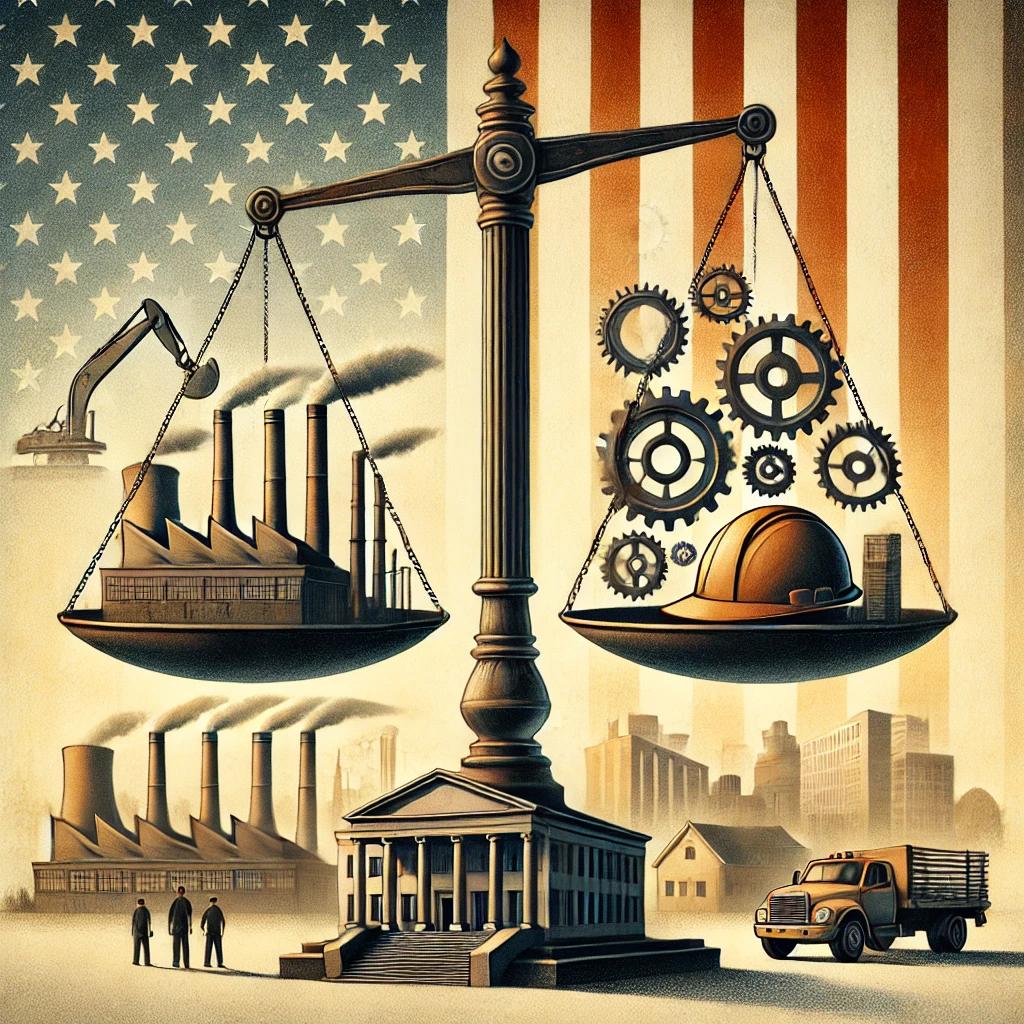
A potential Trump administration offers both promises and uncertainties for the working class. Supporters believe his policies will revitalize industries, lower taxes, and prioritize American workers, while critics warn of economic inequality and social upheaval.
Ultimately, the working class’s experience under a second Trump term would depend on the balance between short-term economic relief and long-term stability. As voters weigh their options, the key question remains: which path offers the most sustainable prosperity for American workers in an increasingly complex global economy?
