
From 10 Downing to SpaceX: The UK’s New Frontier with Trump’s ‘Musk Effect’
Jan
The geopolitical world is no stranger to dynamic relationships, but the newest iteration of the “Special Relationship” between the United Kingdom and the United States has entered uncharted territory. With Donald Trump’s return to the White House and Elon Musk as a close confidant and key player in Trump’s political machinery, the world is watching as the UK navigates an era shaped by both populist policies and technological ambitions. This article explores how the Trump-Musk alliance could reshape the UK’s role on the global stage, from trade and defense to innovation and energy.
A Transatlantic Reset in a Tech-Dominated Era
Trump’s admiration for Musk has been no secret. The billionaire entrepreneur, known for his work with Tesla, SpaceX, and Twitter (now X), has long been a symbol of American ingenuity and defiance of convention. With Musk now serving as Trump’s right-hand man, there is a renewed emphasis on technology-driven diplomacy and private-public partnerships.
For the UK, this shift could present both opportunities and risks. Prime Ministerial advisers and officials at 10 Downing Street are grappling with how to strengthen ties with an American administration increasingly influenced by one of the world’s most powerful tech visionaries. Musk’s ethos of disruption and rapid innovation may inspire ambitious collaborations but could also challenge existing regulatory frameworks.
Defense and Space: A New Frontier
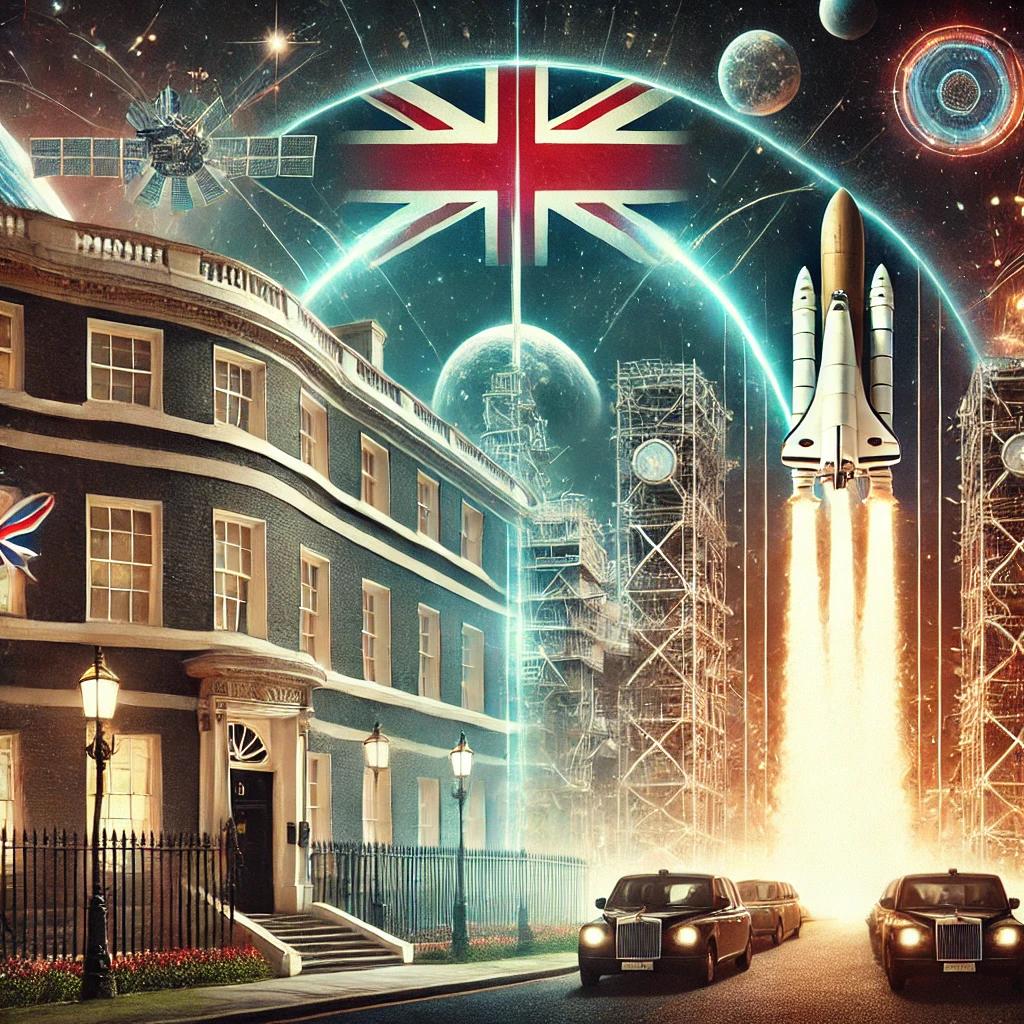
A key pillar of the Trump-Musk era is the prioritization of space exploration and defense. With SpaceX’s dominance in satellite deployment and its contributions to space infrastructure, the UK may find itself recalibrating its own aerospace ambitions. The UK has already signaled interest in expanding its domestic satellite programs, and closer ties with Musk’s SpaceX could bolster these efforts.
However, this new alignment comes with complexities. Should the UK deepen its reliance on American private space technology, it may face greater pressure to align its policies with US defense interests. The UK’s decision to partner more deeply with SpaceX could be viewed by allies and competitors alike as a declaration of alignment with the US’s geopolitical strategy.
Trade and Technology: The Double-Edged Sword
Under Trump’s previous administration, trade negotiations with the UK were turbulent, particularly with post-Brexit policy reshuffles. With Musk now at the forefront of technological and industrial discussions, there could be a resurgence of optimism for a stronger trade deal underpinned by technological integration.
British tech firms, particularly those focused on AI, clean energy, and satellite communication, may benefit from increased investment and collaborative projects involving Musk’s vast enterprise ecosystem. However, the UK government must carefully navigate potential dependencies. Will the nation’s digital infrastructure become vulnerable to the whims of one man’s empire?
The UK’s goal must be to strike a balance—fostering innovation without ceding control over its critical sectors.
Cultural Shifts and Public Sentiment
The Trump-Musk dynamic is as much about spectacle as it is about substance. Their combined influence permeates both political and cultural spheres, often polarizing public opinion. For many in the UK, Trump remains a divisive figure, and Musk’s controversial approach to free speech and social media has sparked similar debates.
The UK’s leadership will need to assess how public perception influences diplomatic strategy. Collaborating with an administration that champions deregulation and bold, individualistic ventures might not sit well with British voters who prioritize social accountability and sustainability.
Climate Policy: A Fork in the Road
One of the most significant ideological clashes between the UK and Trump’s administration could occur over climate policy. While Musk has positioned himself as a clean energy pioneer through Tesla and other ventures, Trump’s history on environmental deregulation and fossil fuel advocacy remains a sticking point.
The UK has committed to achieving net-zero carbon emissions by 2050, and its strategy relies heavily on green initiatives. It remains to be seen whether Trump’s partnership with Musk will introduce climate-focused policies that complement or conflict with UK objectives.
Navigating Strategic Autonomy
One of the core challenges facing the UK is maintaining strategic autonomy in this new global order. As Musk’s influence extends from the tech industry to policy discussions, concerns arise about the potential for overreach. The UK’s policymakers must ensure that while they benefit from Musk-led innovation, they do not become subordinated to decisions driven solely by American interests.
By fostering homegrown innovation, investing in its own space and defense initiatives, and forming strategic partnerships with the European Union and Commonwealth nations, the UK can bolster its leverage. This ensures that collaborations with Musk’s ventures are partnerships of equals rather than one-sided dependencies.
Conclusion: A Leap Into the Unknown
The Trump-Musk alliance presents a unique chapter in the evolution of the UK-US relationship. As the UK steps into this new frontier, the choices made at 10 Downing Street will determine whether this era becomes a golden age of innovation or a cautionary tale of overreliance on powerful figures.
The UK’s ability to navigate the complexities of diplomacy, technology, and trade while upholding its values of sustainability and accountability will define its legacy in this unprecedented era. As Trump and Musk set their sights on ambitious global ventures, Britain must ensure it remains a leading player in the transatlantic dialogue, rather than a mere spectator.
