
Beyond Pills: The Frequency Frontier in Medicine
Jan
In a world accustomed to the convenience of pills and injections, the idea that healing could come from frequency may seem like science fiction. Yet, this concept is steadily gaining momentum, rooted in a profound understanding that our bodies, at their core, are made of energy. This shift in perspective is not merely theoretical; it is a movement toward a revolutionary form of medicine that promises to change how we approach healing and wellness.
Albert Einstein once famously asserted that the future of medicine would be based on frequencies. This statement resonates even more in the 21st century, where the boundaries between science, technology, and holistic health are increasingly blurred. At its heart, frequency-based medicine seeks to harness the vibrational patterns that permeate every aspect of our being, using them to promote balance and repair within the body.
The Science of Frequency and Health
To understand the frontier of frequency-based medicine, it is crucial to grasp the role of vibrations in the human body. Every cell in the body emits measurable electromagnetic signals, which contribute to overall bodily function. These signals facilitate communication between cells, tissues, and organs. When these frequencies are disrupted—by stress, toxins, trauma, or disease—the body may struggle to maintain equilibrium.
Traditional medicine often addresses symptoms rather than the underlying energetic imbalances. Frequency-based therapies, however, operate on the premise that restoring the body’s natural vibrational state can lead to profound healing.
Types of Frequency-Based Therapies
There are various forms of frequency-based treatments, ranging from well-established practices to emerging technologies:
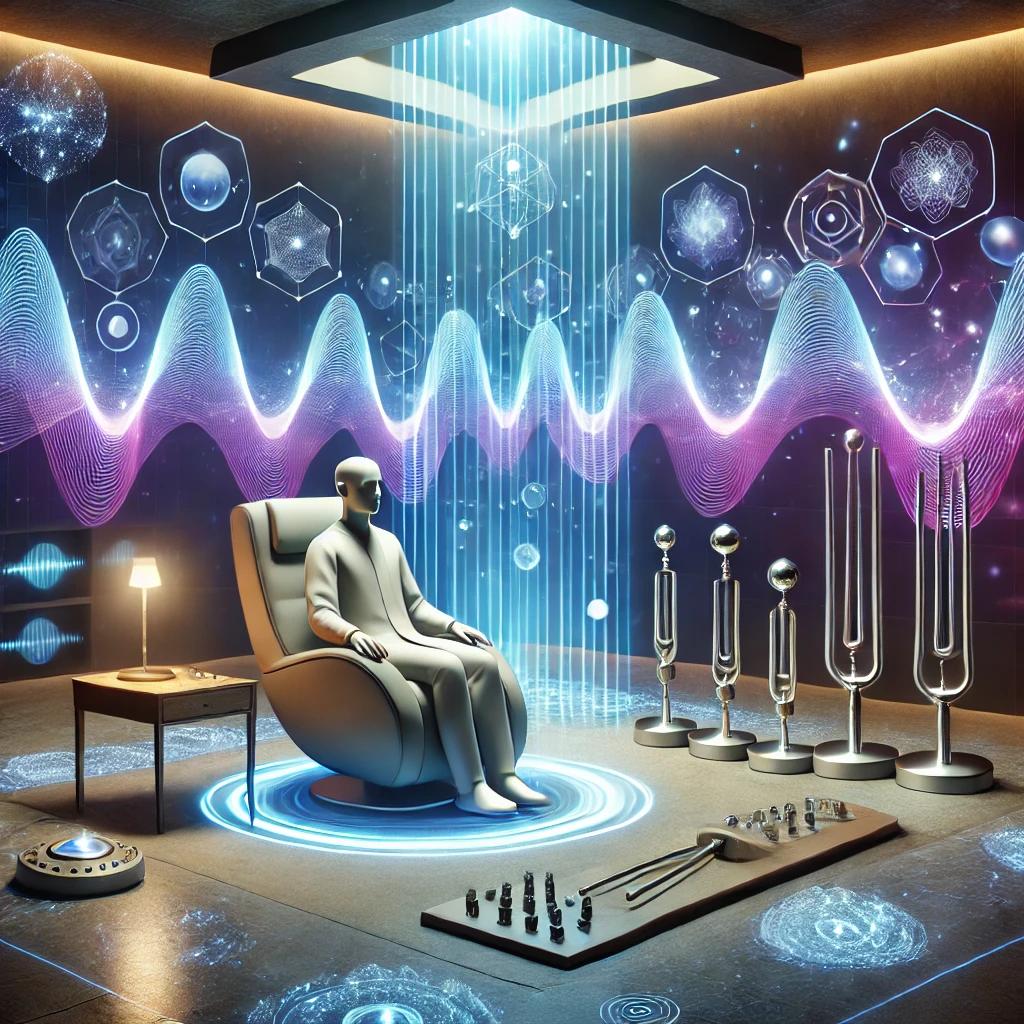
- Sound Therapy: This ancient form of healing uses sound waves to influence the body’s energy fields. Instruments such as tuning forks, singing bowls, and even specific music frequencies are believed to reduce stress and improve mental clarity.
- Bio-resonance Therapy: A more modern approach, bio-resonance devices measure the electromagnetic frequencies of the body and attempt to correct imbalances by sending corrective frequencies.
- Pulsed Electromagnetic Field (PEMF) Therapy: This therapy uses low-frequency electromagnetic waves to stimulate cellular repair and reduce inflammation. PEMF is often used for bone healing, pain management, and enhanced recovery.
- Rife Frequency Therapy: Named after Royal Rife, an early 20th-century scientist, this therapy uses specific frequencies to target and destroy harmful pathogens while promoting overall vitality.
- Light and Color Therapy: Colors correspond to different frequencies of light and are used to influence physical and emotional well-being.
These therapies illustrate the diverse ways in which frequency can be used to address a variety of health issues, from anxiety and chronic pain to cellular regeneration.
The Evidence Behind Frequency-Based Medicine
While some forms of frequency therapy are supported by centuries of anecdotal evidence, scientific validation is gradually catching up. For example, research on PEMF therapy has shown its effectiveness in stimulating bone growth and reducing inflammation. Similarly, studies on sound therapy indicate that specific sound frequencies can reduce anxiety and improve cognitive focus.
Bio-resonance therapy, though sometimes dismissed as pseudoscience, has shown promising results in clinical settings for treating allergies, migraines, and chronic fatigue. The key challenge is often the difficulty of measuring subtle energetic changes using traditional medical instruments. However, advancements in bioenergetic research may soon bridge the gap between anecdotal success stories and mainstream acceptance.
A Paradigm Shift in Medicine
If frequency-based medicine becomes more mainstream, it could signify a profound shift in the way we view the human body and its potential for healing. Conventional medicine often focuses on external interventions, such as pharmaceuticals and surgeries. Frequency-based medicine, by contrast, emphasizes the body’s innate ability to heal when its energetic blueprint is restored.
This shift aligns with the growing interest in preventative and holistic health care. Many patients are seeking non-invasive treatments that address the root causes of illness rather than just managing symptoms. Frequency therapies offer an empowering approach, where patients can actively participate in their healing journey by tuning into their body’s natural rhythms.
Challenges and Criticisms
Despite its promising potential, frequency-based medicine faces skepticism and regulatory hurdles. Critics argue that there is insufficient scientific evidence to support some claims and that certain frequency therapies lack standardization. Additionally, regulatory bodies are cautious about endorsing treatments that fall outside conventional scientific paradigms.
However, history shows that many medical breakthroughs were initially met with skepticism. From germ theory to the development of antibiotics, transformative ideas often challenge the status quo before they are accepted. Proponents of frequency-based medicine argue that with continued research and technological advancements, frequency therapies may follow a similar trajectory.
The Future of Frequency Medicine
The future of frequency-based medicine is likely to be shaped by innovations in quantum biology, biofeedback technologies, and integrative health systems. Quantum biology explores the role of subatomic particles and their interactions within biological systems, providing a potential scientific framework for understanding frequency-based healing.
Additionally, wearable biofeedback devices are becoming increasingly sophisticated, allowing individuals to monitor and adjust their energetic states in real time. These devices may soon enable personalized frequency treatments tailored to individual health profiles.
As technology continues to evolve, frequency therapies may become more accessible, affordable, and widely accepted. Imagine a future where instead of reaching for painkillers, patients could use targeted frequency devices to alleviate pain and inflammation. Instead of invasive procedures, they could use sound and light therapies to accelerate healing.
A Holistic Approach to Wellness
Ultimately, the frequency frontier in medicine invites us to rethink our understanding of wellness. It challenges the notion that health is solely a physical phenomenon and highlights the importance of energy, resonance, and balance. This holistic approach aligns with ancient spiritual wisdom that views the human body as an interconnected system where the mind, body, and spirit influence one another.
In this context, frequency-based medicine is not just a technological innovation—it is a return to a more harmonious way of living, where we recognize the vibrational nature of existence and learn to live in resonance with our true selves.
As research continues and awareness grows, frequency medicine may indeed become the future of healing. It reminds us that beyond pills and prescriptions lies an untapped potential for restoration through the power of vibration, resonance, and frequency. This frontier beckons us to listen not only to the symptoms of our bodies but to the symphony of life itself, guiding us toward true wellness.
“Understanding private equity not only helps demystify complex financial markets but also empowers you to make informed decisions. Whether you’re considering investments or simply expanding your financial knowledge, staying curious and educated is key.”
Thank you for joining me on this learning journey. I hope you found valuable insights in this article. For more discussions on finance, spirituality, and empowering content, feel free to explore more at DanielelijahJoseph.com.”
~ Daniel Joseph, Lecturer in Accounting and Finance
