
Tariff Tug-of-War: The U.S. Trade Battle with China, Mexico, and Canada — Pros, Cons, and the Impact on the Middle Class
Feb
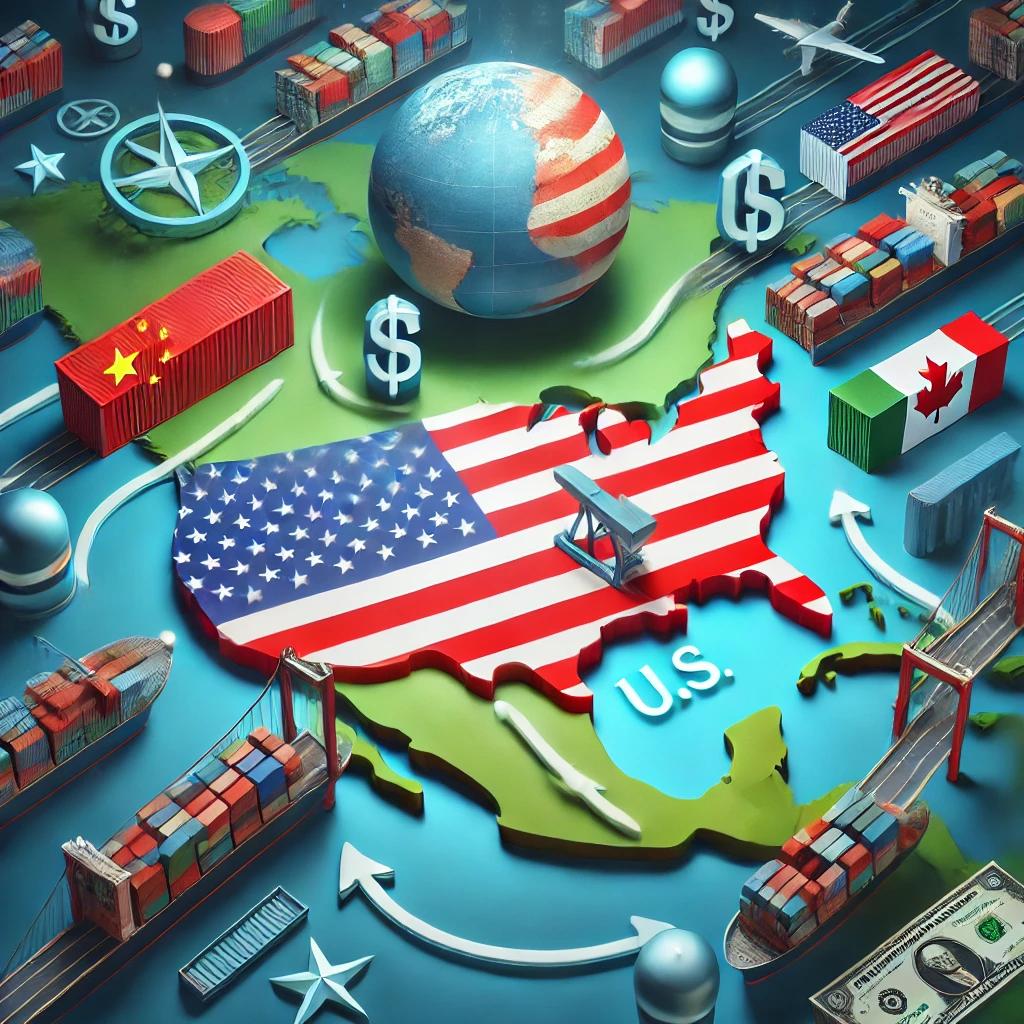
The global economy is a complex web of trade agreements, tariffs, and shifting policies that affect nations and their citizens. In recent years, the United States has engaged in a high-stakes trade battle with China, Mexico, and Canada, imposing tariffs that have far-reaching consequences. While these tariffs are often touted as necessary tools for protecting domestic industries and jobs, they also come with significant drawbacks, particularly for the middle class. This article explores the pros and cons of U.S. tariffs on these key trading partners and their implications for middle-class households.
Understanding Tariffs and Their Purpose
Tariffs are taxes imposed on imported goods, making foreign products more expensive in an effort to encourage consumers to buy domestically produced goods. The primary objectives behind tariffs include:
- Protecting Domestic Industries: By making imported goods more expensive, tariffs aim to give local businesses a competitive advantage.
- Reducing Trade Deficits: Tariffs can help curb excessive imports and encourage domestic production.
- Generating Government Revenue: The revenue collected from tariffs can be used for public expenditures.
However, tariffs are a double-edged sword, often leading to higher prices, strained trade relations, and retaliatory measures from affected countries.
The Pros of U.S. Tariffs on China, Mexico, and Canada
- Job Protection and Growth in Key Industries
- Tariffs can help protect U.S. manufacturing, steel, and agricultural sectors by making imports less competitive.
- Domestic industries may see increased investment and job creation as companies rely more on American-made goods.
- National Security and Economic Independence
- Reducing dependence on foreign goods can strengthen national security, particularly in critical sectors like technology and pharmaceuticals.
- Encouraging domestic production can lead to greater self-reliance in times of global economic instability.
- Government Revenue for Public Investments
- Tariffs generate additional revenue that can be allocated to infrastructure projects, education, and other public services.
The Cons of U.S. Tariffs and Their Impact on the Middle Class
- Higher Consumer Prices
- The most immediate and tangible impact of tariffs is the increase in prices for everyday goods.
- Many middle-class households rely on affordable imports from China, Mexico, and Canada, including electronics, automobiles, and household items. As tariffs increase costs for businesses, those expenses are often passed down to consumers.
- Job Losses in Other Sectors
- While tariffs may protect jobs in some industries, they can also lead to layoffs in others, particularly in businesses that rely on imported raw materials or engage in global trade.
- Companies that export to China, Mexico, and Canada may face retaliatory tariffs, reducing demand for American goods abroad and leading to job cuts in affected industries.
- Increased Cost of Living
- Higher prices on essential goods, from food to clothing and appliances, place additional financial strain on middle-class families.
- Businesses forced to pay more for raw materials may reduce employee benefits, cut wages, or lay off workers, leading to economic insecurity.
- Retaliatory Tariffs Hurt U.S. Exports
- Trading partners often respond to tariffs with their own countermeasures, making it more difficult for American companies to sell products abroad.
- Farmers, in particular, have suffered from tariffs imposed by China on U.S. agricultural products, leading to reduced demand and financial losses for rural communities.
Middle-Class Perspective: Is There a Way Forward?
For the middle class, tariffs present a mixed bag of short-term protectionism and long-term financial strain. While protecting domestic industries is essential, the increased cost of goods and job losses in affected sectors highlight the risks of aggressive tariff policies.
Possible solutions to mitigate the impact of tariffs on the middle class include:
- Selective Tariff Application: Targeting tariffs to protect strategic industries without broadly increasing consumer costs.
- Trade Negotiations: Working towards fair trade agreements that maintain U.S. competitiveness while reducing price increases.
- Domestic Investment in Manufacturing: Encouraging production within the U.S. through incentives, tax breaks, and infrastructure improvements to reduce reliance on imports.
Conclusion: Balancing Protectionism and Affordability
The U.S. trade battle with China, Mexico, and Canada continues to shape the economic landscape, with both positive and negative consequences for the middle class. While tariffs offer protection for certain industries, they also lead to higher prices, job losses, and economic uncertainty for many households. Striking a balance between protecting American industries and ensuring affordability for consumers is crucial to maintaining long-term economic stability. As policymakers navigate this complex issue, the middle class remains at the center of the discussion, bearing the brunt of both the benefits and burdens of trade policies.
About the Author
Daniel a Lecturer in Accounting, Finance and Business is an observer of economic trends and trade policies, with an interest in how global developments affect everyday life. With a background in finance and a passion for simplifying complex topics, they aim to provide balanced insights on trade, tariffs, and economic shifts.
